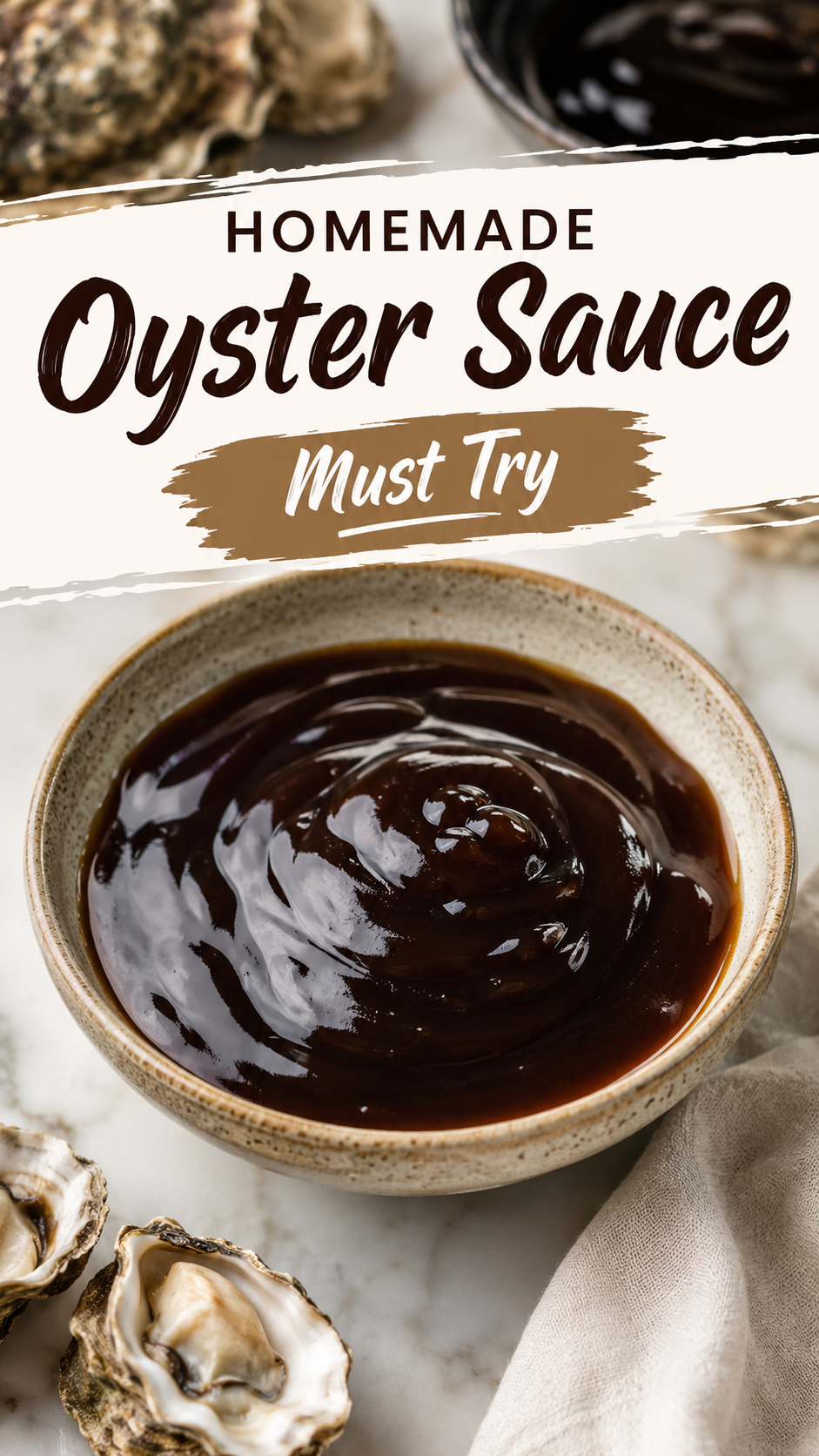
I used to think oyster sauce was one of those things you just buy.
Like, why would anyone make it from scratch when there’s a bottle sitting right there at the grocery store for $3?
Then I actually made a batch myself and I haven’t bought a bottle since.
It’s deeper. It’s saltier in the right way. And it doesn’t have that weird gloopy texture the store-bought stuff sometimes gets.
Silas was skeptical when I told him what I was cooking. “You’re making a sauce out of oysters? On purpose?” But two stir fries later, he was asking when I’d make more.
So if you’ve got a free afternoon and a craving for better takeout-style food at home, let’s get into it.
Why Make This From Scratch
Store-bought oyster sauce usually has a long ingredient list. Sugar, cornstarch, caramel color, sometimes MSG (not that MSG is bad, just saying).
This version has real oysters, a handful of pantry staples, and nothing you can’t pronounce.
It also tastes fresher. Kind of briny, a little sweet, deeply savory. The umami hits different when you make it yourself.
What You’ll Need
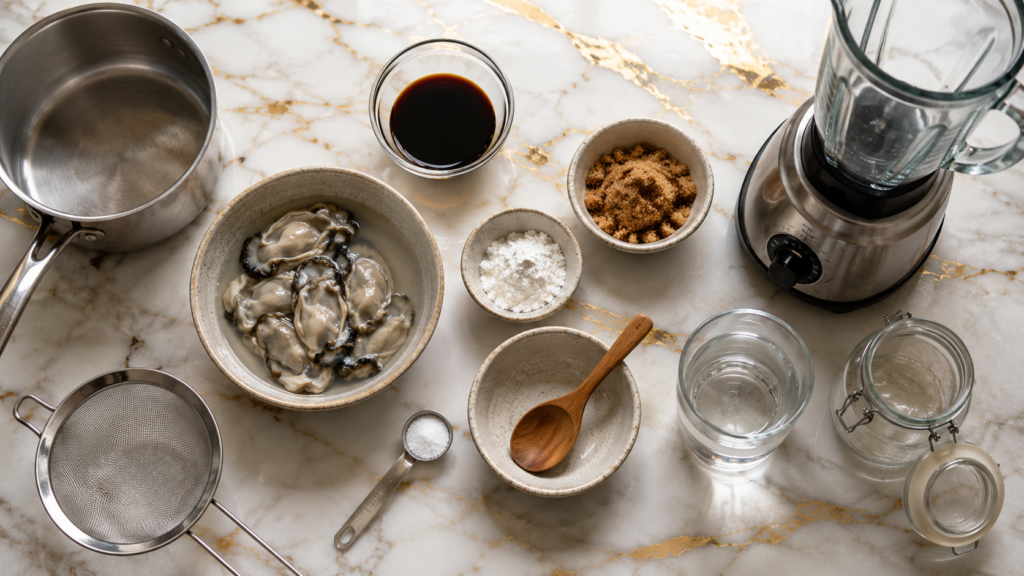
- 1 pound fresh oysters, shucked (or the meat only, juices reserved)
- 1 cup water
- 3 tablespoons soy sauce
- 2 tablespoons brown sugar
- 1 tablespoon cornstarch
- 2 tablespoons cold water (for the cornstarch slurry)
- 1/2 teaspoon salt, or to taste
That’s it. Seven ingredients and most of them are already in your kitchen.
Tools You’ll Need
- Small saucepan
- Blender or immersion blender
- Fine mesh strainer
- Wooden spoon or silicone spatula
- Small bowl (for the cornstarch slurry)
- Clean glass jar with a lid, for storage
Pro Tips
Before you start, here’s what I wish someone had told me the first time I made this.
- Use the freshest oysters you can find. This isn’t the recipe to use up oysters that have been sitting in your fridge for a week. Fresh is what gives you that clean, briny flavor.
- Don’t skip straining. The blended oyster mixture has bits of shell and grit sometimes, even from “clean” oysters. Strain it twice if you’re paranoid, once through a mesh strainer is usually enough.
- Add the cornstarch slurry slowly. Pour it in while whisking, not all at once. Otherwise you get clumps and nobody wants clumpy sauce.
- Taste as you go. Some oysters are naturally saltier than others depending on where they’re farmed. Adjust your soy sauce and salt at the end, not the beginning.
- Let it cool before bottling. Hot sauce in a sealed jar creates pressure and steam, which messes with the texture as it cools.
How to Make Homemade Oyster Sauce
Step 1: Cook the Oysters
Add your shucked oysters and 1 cup of water to a small saucepan.
Bring it to a gentle simmer over medium heat.
Let it cook for about 5 minutes, until the oysters shrink slightly and turn opaque.
Step 2: Blend
Pour the oysters and their cooking liquid into a blender.
Blend until completely smooth. This usually takes about 30 seconds.
If you’re using an immersion blender, just blend it right in the pot.
Step 3: Strain
Pour the blended mixture through a fine mesh strainer into a clean saucepan.
Press down with the back of a spoon to get every last bit of liquid out.
Discard whatever solids are left in the strainer.
Step 4: Simmer With Seasonings
Add the soy sauce, brown sugar, and salt to the strained liquid.
Bring it back to a gentle simmer over medium-low heat, stirring occasionally.
Step 5: Thicken
In a small bowl, mix the cornstarch with 2 tablespoons of cold water until smooth.
Slowly pour the slurry into the simmering sauce while whisking constantly.
Keep stirring for another 2-3 minutes, until the sauce thickens enough to coat the back of a spoon.
Step 6: Cool and Taste
Remove the sauce from heat and let it cool for about 10 minutes.
Give it a taste. Add more salt or soy sauce if it needs it.
Step 7: Store
Pour the cooled sauce into a clean glass jar.
Seal it and pop it in the fridge.
Substitutions and Variations
| Ingredient | Substitution | Notes |
|---|---|---|
| Fresh oysters | Canned oysters | Drain well, flavor is slightly less bright |
| Soy sauce | Tamari | Good for a gluten-free version |
| Brown sugar | Honey or coconut sugar | Adjust to taste, honey adds a floral note |
| Cornstarch | Arrowroot powder | Same ratio, works just as well |
| Plain version | Add a splash of fish sauce | Deepens the umami even more |
| Spicy version | Add a pinch of white pepper or chili flakes | Great for stir fries with a kick |
Make-Ahead Tips
This sauce actually gets better after a day in the fridge.
The flavors settle and meld together, so if you can, make it the day before you need it.
It also freezes well in small portions. Ice cube trays work great for this, since you usually only need a spoonful or two per recipe.
Nutrition (Estimated)
Per tablespoon, this sauce comes out to roughly:
- Calories: 15-20
- Protein: 1g
- Carbs: 3g
- Sodium: 200-250mg
Quick note: these numbers are estimates. I’ll be verifying exact values with Cronometer using my specific ingredient brands before this goes live, so treat this as a general guide for now.
What to Pair It With
This sauce is endlessly useful. Here’s where it shines.
- Stir fries. Beef and broccoli, chicken and vegetables, whatever you’ve got in the fridge.
- Fried rice. A spoonful stirred in at the end adds serious depth.
- Noodles. Toss it with lo mein or chow mein noodles for an instant upgrade.
- Dipping sauce. Mix it with a little sesame oil and rice vinegar for dumplings.
- Marinades. It works beautifully on chicken thighs or pork before grilling.
Storage and Leftovers
Store your homemade oyster sauce in an airtight glass jar in the fridge.
It’ll keep for about 2 weeks.
If you want it to last longer, freeze it in an ice cube tray, then transfer the frozen cubes to a freezer bag. It’ll keep for up to 3 months that way.
Always use a clean spoon when scooping it out. Cross contamination is how sauces go bad faster than they should.
FAQ
Can I use frozen oysters instead of fresh?
Yes. Just thaw them completely and drain any excess liquid before cooking.
Why is my sauce too thin?
You probably need a bit more cornstarch slurry. Mix another teaspoon of cornstarch with a teaspoon of cold water and whisk it in while simmering.
Is homemade oyster sauce healthier than store-bought?
It can be, mainly because you control the sugar and salt. Most commercial versions have added preservatives and higher sodium levels.
Can I make this vegetarian?
Not really, since oysters are the whole point here. If you need a vegetarian version, look for mushroom-based “oyster” sauce recipes instead, they use dried shiitake mushrooms for a similar umami effect.
Does it taste fishy?
Not in a bad way. It tastes briny and savory, similar to store-bought oyster sauce, just fresher and less sweet.
Wrapping Up
Homemade oyster sauce isn’t something I ever thought I’d make on a regular basis, but here we are.
It’s simple, it keeps well, and it makes weeknight stir fries taste like something you’d order from your favorite restaurant.
Give this one a try and let me know how it goes in the comments. I’d love to hear what you paired it with, and if you ran into any questions along the way, drop them below too.


