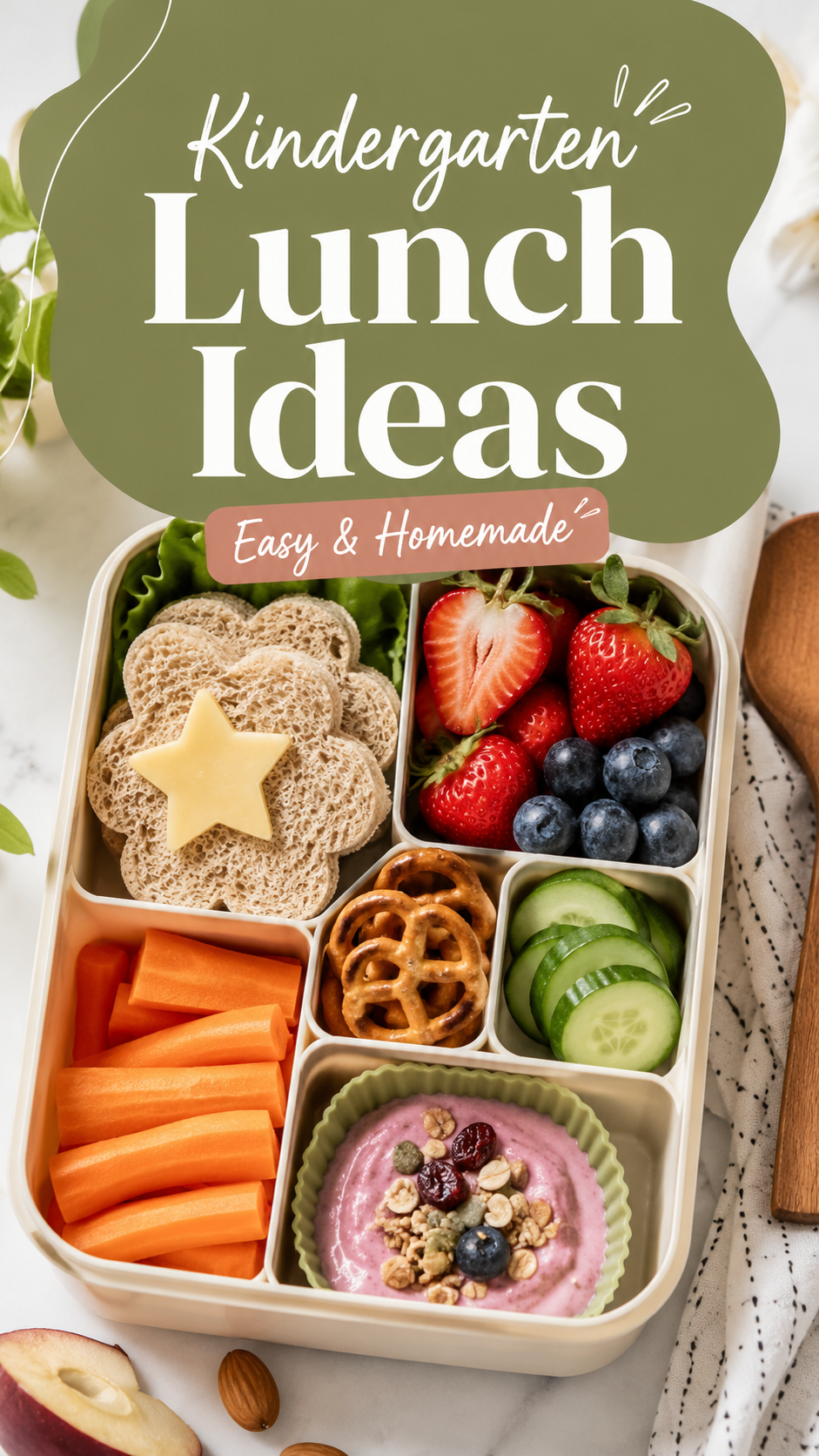
My niece came home with an untouched lunch box three days in a row before her mom finally asked her what was going on.
Her answer? “It’s boring.”
Five years old and already over sad sandwiches. Honestly, fair.
That’s when I started digging into what actually works for kindergarten lunches, and it turns out there’s a simple formula behind the lunch boxes that come back empty every single day. 🍱
No fancy cooking. No bento box shaped like a panda (although those are cute). Just a system.
Here’s exactly how to build it.
What You’ll Need
This isn’t a single dish, it’s a mix-and-match formula. Pick one item from each column and you’ve got a balanced, kid-approved lunch.
| Category | Options |
|---|---|
| Protein | Turkey slices, rotisserie chicken chunks, hard boiled egg, cheese cubes, hummus |
| Carb | Whole wheat crackers, mini bagel, tortilla, pretzels, leftover pasta |
| Fruit | Grapes (halved), apple slices, berries, banana, mandarin segments |
| Veggie | Cucumber coins, baby carrots, snap peas, cherry tomatoes (halved) |
| Fun Bite | 2-3 chocolate chips, a few gummy bears, a mini cookie |
Yields: 1 lunch box Prep time: 8 minutes
Tools You’ll Need
- A divided bento-style lunch box
- Small silicone cups or dividers (if your box isn’t already sectioned)
- A cookie cutter or two (totally optional, but it works)
- Reusable ice pack
Instructions
- Pick your protein first. This is the anchor of the lunch, so start here.
- Add a carb next to it. Keep portions small. Kindergarten stomachs are tiny.
- Fill one section with fruit. Cut everything smaller than you think you need to. Choking hazards are real at this age.
- Add your veggie. If your kid is picky, pair it with a small container of ranch or hummus for dipping.
- Drop in the fun bite. This is what makes the whole box feel exciting instead of like a chore.
- Close it up, add the ice pack, and you’re done.
That’s genuinely it. No stove, no oven, no dishes beyond the lunch box itself.
Pro Tips
- Cut everything into bite sized pieces, always. Kindergarteners have limited time to eat (sometimes as little as 10-15 minutes) and they will not fight with a whole apple.
- Repeat the same 4-5 base combos on rotation. Kids at this age like predictability way more than variety. Novelty isn’t the goal, reliability is.
- Let them help pack it once a week. Kids eat what they pick. It sounds simple, but it works almost every time.
- Skip anything that needs to be reheated. Most kindergartens don’t have microwave access, so cold and room temperature foods are the safest bet.
- Pack slightly less than you think they’ll eat. A lunch box that comes back empty feels like a win. One that comes back half full feels like failure, even if it’s the exact same amount of food.
Substitutions and Variations
- No nuts allowed? Swap sunflower seed butter for peanut or almond butter. Most classrooms are nut-free anyway.
- Vegetarian: Use hummus, cheese, or a hard boiled egg as the protein instead of meat.
- Dairy-free: Swap cheese cubes for extra protein like turkey or a bean-based dip.
- Gluten-free: Rice cakes or gluten-free crackers work in place of regular crackers or bread.
- Warm weather variation: Skip anything dairy-based unless it’s staying in a well-packed cooler with an ice pack.
Make Ahead Tips
- Wash and chop fruit and veggies in bulk on Sunday, then store in containers so weekday mornings take five minutes.
- Pre-portion crackers and pretzels into small snack bags for the whole week.
- Hard boil a batch of eggs at the start of the week. They stay good in the fridge for about a week.
The Details That Actually Matter
Nutrition breakdown (rough estimate per box):
| Nutrient | Amount |
|---|---|
| Calories | 350-450 |
| Protein | 12-18g |
| Fiber | 4-6g |
| Sugar | Varies (aim under 15g) |
Time efficiency tip: Prep on Sunday for the whole week, and packing each morning takes under 5 minutes.
Pairing idea: A small water bottle beats juice most days. Kids drink more of it when it’s the only option in the box.
Leftovers and Storage
- Pre-chopped fruits and veggies keep well in airtight containers for 3-4 days in the fridge.
- Hard boiled eggs last about a week unpeeled.
- Don’t pre-pack lunch boxes more than a day in advance. Fruit especially starts to brown and get soggy.
- If part of the lunch comes back untouched, just recycle it into the next day’s box instead of tossing it (as long as it wasn’t left unrefrigerated for hours).
FAQ
How much food should actually go in a kindergarten lunch box? Less than you’d expect. Most 5-year-olds eat around 1-1.5 cups of food total across a whole lunch period.
What if my kid only eats one section of the box every day? Totally normal. Keep offering the other sections anyway. Repeated exposure is what eventually gets picky eaters to try new things, even if it takes weeks.
Is it safe to pack the same lunch every day? Yes, as long as it’s reasonably balanced. Predictability at this age reduces lunchtime stress more than variety does.
How do I keep food cold without a fridge at school? A proper ice pack tucked right next to the food does most of the work. Insulated lunch boxes help too.
My kid says lunch is too short to finish eating. What can I do? Talk to the teacher about actual lunch time (it’s often shorter than you’d think), and prioritize the highest-calorie items first in how you pack the box so they eat those before time runs out.
Wrapping Up
A good kindergarten lunch doesn’t need to be complicated, it just needs a system behind it.
Pick a protein, a carb, a fruit, a veggie, and one small fun bite, and you’ve basically solved the lunch box problem for the whole school year. 🎒
Try the formula this week and see how much comes back in the box. I’d love to hear which combo your kid actually finishes, drop a comment below with what worked (or didn’t).
And if you’ve got a picky eater on your hands, ask away in the comments. There’s a good chance someone else here has cracked it already.


